How to Build Habits That Stick—Even When Motivation Fades
Every January starts the same way.
You feel hopeful. Energized. Certain that this is the year things finally change. You set goals. You buy the planner. You tell yourself, I’m ready.
And then like clockwork… life happens.
The kids get sick. Work gets busy. You miss a day. Then two. Then suddenly it’s mid-February and the habits you swore you’d keep have slipped away like a thief in the night.
People often think that motivation is what they’re lacking. But it isn’t.
And losing it doesn’t mean you lack discipline, willpower, or follow-through.
If you want habits that last beyond the New Year buzz, you need something far more reliable than motivation.
You need systems, compassion, and consistency that works with your life — not against it.
Motivation is emotional. It’s fueled by excitement, novelty, and hope. That’s why it feels so powerful at the beginning of the year.
But motivation is also temporary.
It fades when:
Results aren’t immediate, when life gets chaotic, when you’re tired or overwhelmed and the habit feels inconvenient.
This doesn’t mean you’re failing or falling behind. It means you’re human.
The biggest mistake people make is assuming that consistency requires constant motivation. It doesn’t.
It requires structure.
Habit Formation Is About Identity, Not Willpower
The habits that stick aren’t the ones you force — they’re the ones that align with how you see yourself.
Instead of asking:
“How do I stay motivated?”
Ask:
“Who am I becoming through this habit?”
For example:
You don’t “try to exercise” — you become someone who moves their body regularly. You don’t “try to journal” — you become someone who processes life intentionally. You don’t “try to eat better” — you become someone who prioritizes nourishment.
When habits are tied to identity, consistency becomes less about effort and more about alignment.
Why Most New Year Habits Don’t Last
Let’s name what actually gets in the way.
1. Goals Are Too Big and Too Vague
“Get healthy.”
“Be more productive.”
“Work on myself.”
These sound good — but they’re impossible to execute consistently because they lack clarity.
Habits stick when they are specific, small, and repeatable.
2. Perfectionism Kills Momentum
Many people quit a habit the moment they miss a day.
But consistency isn’t about never missing — it’s about not quitting when you do.
3. Habits Aren’t Designed for Real Life
If your habit only works on perfect days, it’s not sustainable.
The goal isn’t to build habits that fit your best days — it’s to build habits that survive your hardest ones.
How to Build Habits That Actually Stick
Let’s get practical.
1. Start Smaller Than You Think You Should
If your habit feels too easy, you’re doing it right.
Examples:
5 minutes of movement
One glass of water in the morning
Writing one sentence
Taking three deep breaths
Small habits build trust with yourself. And trust is what fuels consistency.
2. Anchor Habits to Existing Routines
One of the most effective consistency tips is habit stacking — attaching a new habit to something you already do.
Examples:
Stretch while your coffee brews
Journal after brushing your teeth
Take a walk after dinner
You’re not adding more — you’re layering intentionally.
3. Focus on Frequency, Not Intensity
Consistency beats intensity every time.
Doing something imperfectly, regularly, will always outperform doing it perfectly, occasionally.
Ask:
“Can I do this even on my worst day?”
If the answer is yes — that’s your habit.
4. Create a “Bare Minimum” Version
When motivation fades, the bare minimum keeps you in the game.
Examples:
If you can’t work out → stretch
If you can’t journal → write one word
If you can’t cook → eat something nourishing
This removes the all-or-nothing trap that causes most people to quit.
5. Track Progress Without Obsession
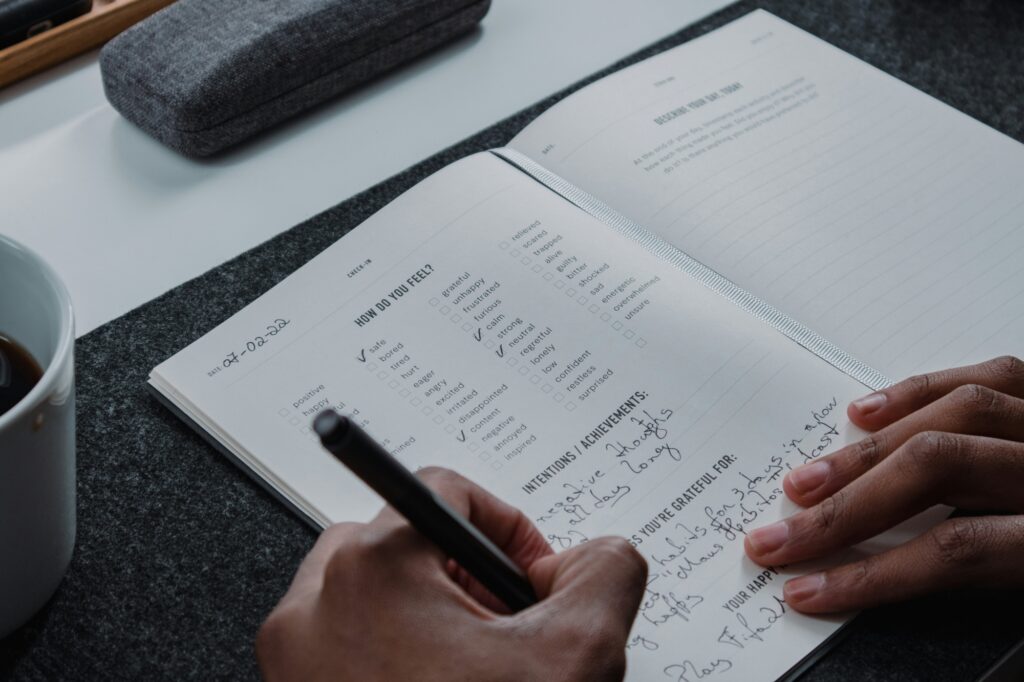
Tracking helps you stay aware — not ashamed.
A simple checkmark on a calendar builds visual momentum and reinforces identity:
“I’m someone who shows up.”
No pressure. No punishment. Just awareness.
What to Do When You Fall Off (Because You Will)
Falling off doesn’t mean you failed.
It means you’re living and life is hard and unpredictable.
What matters is how you return.
Instead of:
“I ruined everything.”
Try:
“I’m restarting — again.”
There’s no prize for never stopping.
The real win is always coming back.
Consistency Tips for Busy Moms
This truth is the life of moms can be a maze like amalgamation of demands. So it’s fair to say that consistency looks different when you’re juggling work, kids, and emotional labor.
Here’s what actually helps:
Build habits that flex with your schedule
Choose progress over performance
Stop comparing your consistency to someone else’s capacity
Let seasons change your pace — not your commitment
Consistency isn’t rigid.
It’s responsive.
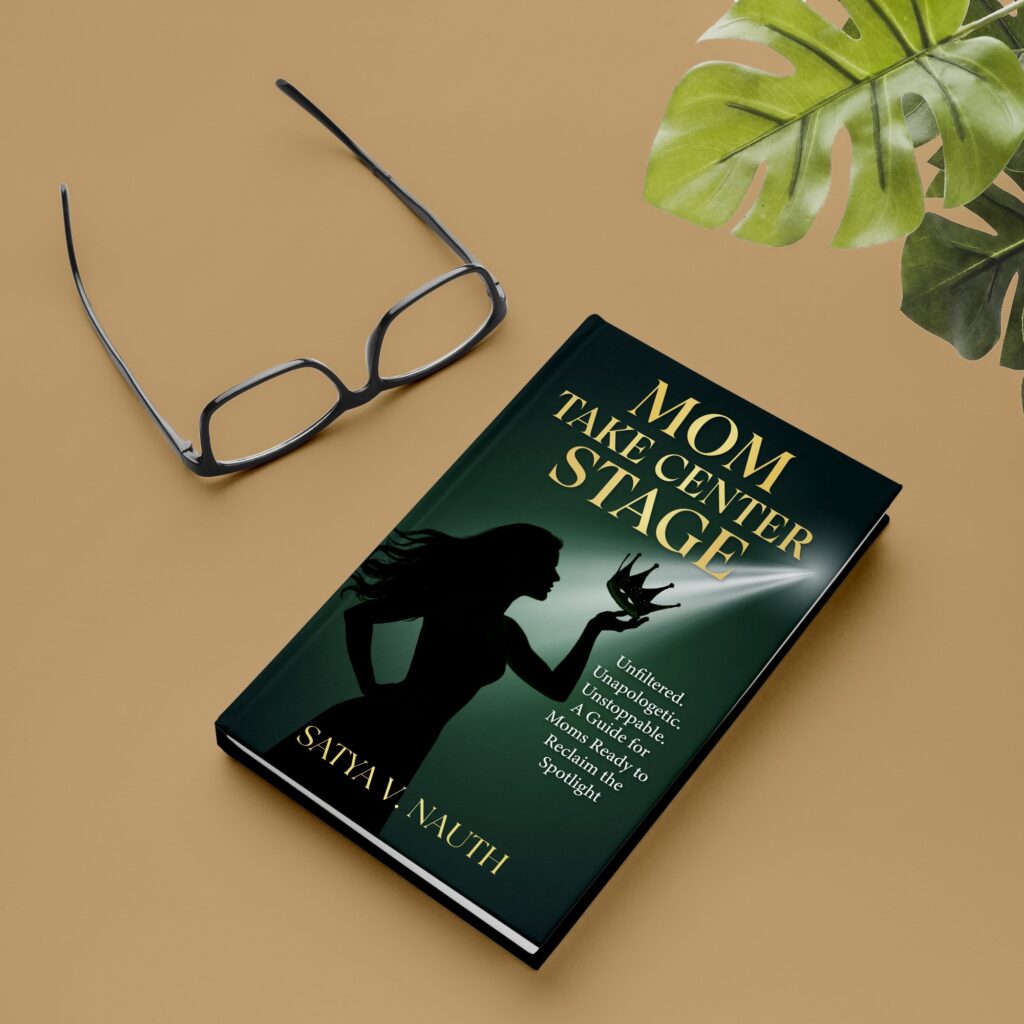
In Mom Take Center Stage, I talk about how small daily choices — not big declarations — are what help women reclaim confidence and self-trust. Habits aren’t about becoming someone new; they’re about honoring who you already are and showing up for her consistently.
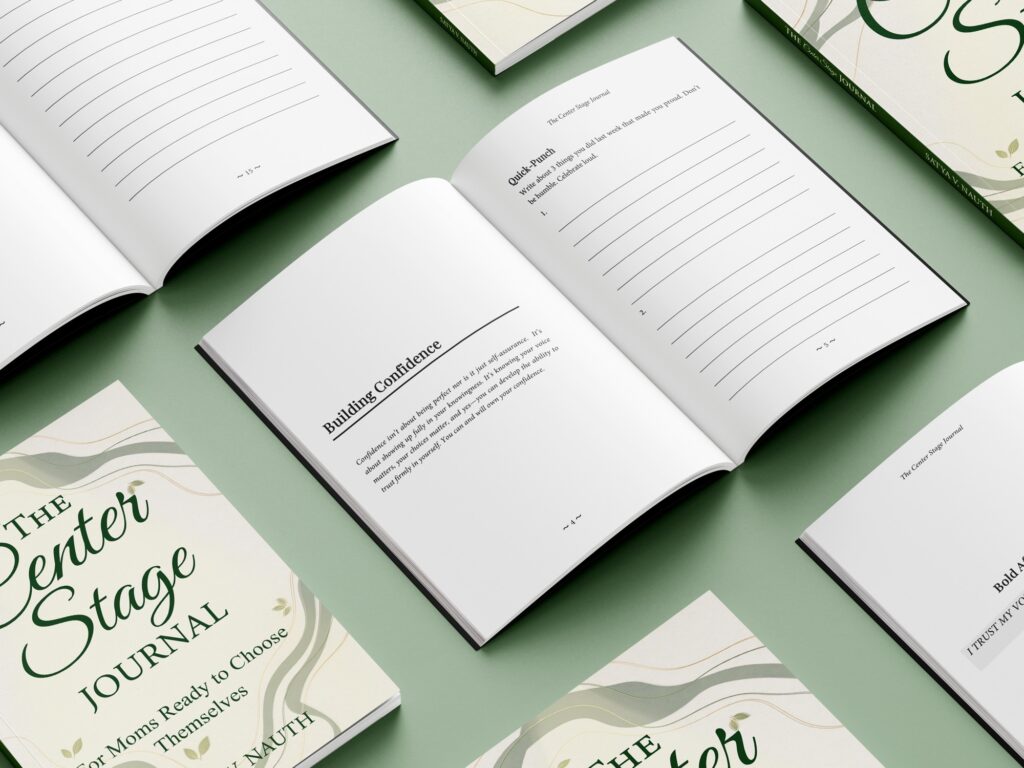
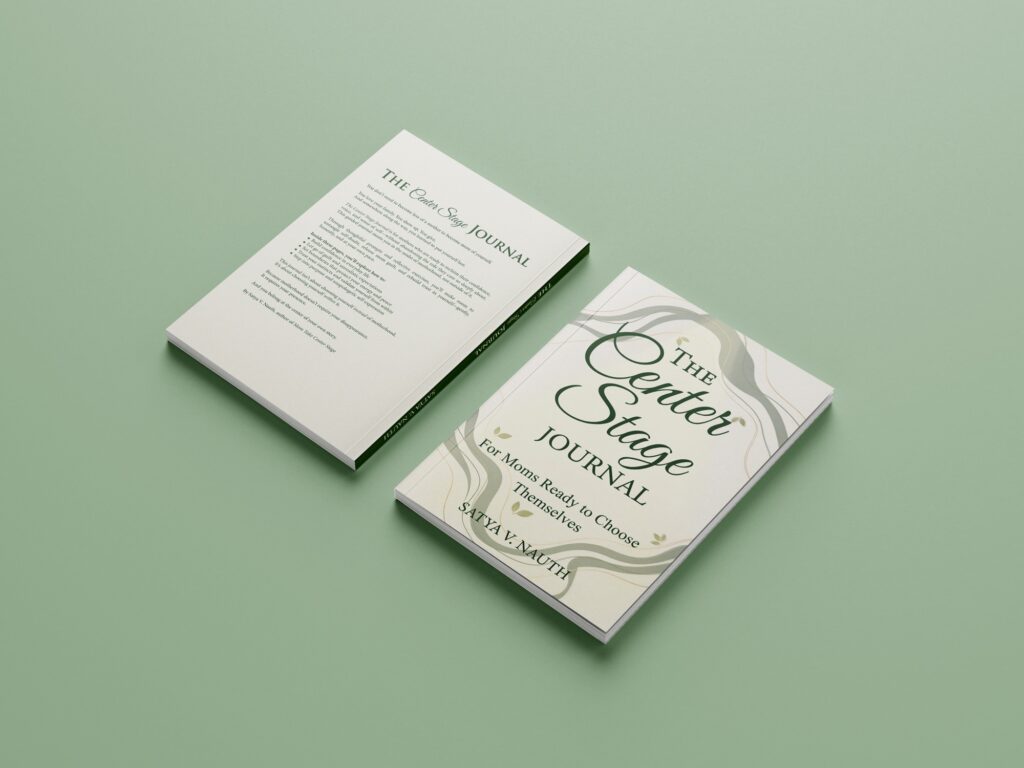
That’s exactly why I created The Center Stage Journal, releasing January 30, 2026. It’s designed to help you slow down, reflect, and reconnect with what actually matters — especially after the New Year motivation fades and real life sets back in.
Instead of rigid prompts or pressure-filled planning, the journal guides you through intentional reflection, mindset shifts, and gentle accountabilitye so your habits feel aligned, not forced.
The Center Stage Journal will be available on Amazon and everywhere Ingram distributes, making it easy to access wherever you shop for books.
The real outcome of habit formation isn’t productivity.
It’s self-trust.
Every time you keep a promise to yourself — even a small one — you rebuild confidence.
And that confidence carries into:
Boundaries
Decision-making
Self-worth
Leadership in your own life
After the New Year Buzz Fades… Keep Going
January energy fades.
Motivation dips.
Life gets loud again.
That’s not the end — that’s the real beginning.
Habits that last aren’t built in perfect conditions.
They’re built in ordinary, messy, human ones.
You don’t need a new year to start again.
You just need a system that supports who you are now.
You don’t need more motivation.
You need habits that meet you where you are — and grow with you.
Small. Steady. Sustainable.
That’s how change actually sticks.
If you’re serious about building habits that last — not just in January, but all year — you need more than motivation. You need self-awareness, clarity, and a place to come back to yourself.
The Center Stage Journal, launching January 30, 2026, was created for exactly that. It’s a guided companion to help you:
Stay consistent without perfection Reflect when habits slip Rebuild self-trust Set goals that align with your real life
Available on Amazon and through all major retailers, The Center Stage Journal supports the kind of growth that doesn’t burn out — it sustains.