It’s Not You—It’s Cortisol: The Hidden Link Between Stress, Hormones, and Weight Gain
You’ve been doing the “right” things—eating cleaner, hitting workouts, trying to sleep more—but the scale still inches up. Your jeans feel tighter around the middle. You feel tired, anxious, and a little furious with yourself, even though you don’t know what you did “wrong.” Does this sound like you?
Before you start blaming willpower, will you let me say this plainly? It’s not just you. Part of what’s happening is biological, and one of the biggest players is a hormone called cortisol.
Below, I’ll explain what cortisol actually is, how chronic stress turns it from helpful to harmful, why it can cause stubborn weight gain—especially around the belly—and what evidence-backed steps you can take to calm it down and protect your health. This post isn’t about making excuses. It’s about understanding the biology that affects countless women so you can work with your body instead of against it.
What is cortisol? (Simple biology that matters)
Cortisol is often called the “stress hormone,” and for good reason. It’s produced by your adrenal glands (tiny glands that sit on top of your kidneys) as the end product of a communication chain called the HPA axis—the hypothalamus → pituitary → adrenal axis. When your brain senses stress (a deadline, a fight, a sleepless night), the hypothalamus signals the pituitary, which tells the adrenals to release cortisol. In the short term, cortisol is brilliant: it raises blood sugar to give you quick energy, helps control inflammation, and supports focus and survival responses.
The problem comes when stress stops being occasional and becomes constant. Instead of a short spike and then a return to baseline, cortisol stays elevated or the daily rhythm of cortisol becomes disrupted. That chronic activation is when we start seeing metabolic effects—on blood sugar, on insulin, and on where your body stores fat.
How Cortisol Affects Blood Sugar and Insulin (the metabolic chain)
Cortisol’s job includes increasing glucose (blood sugar) availability—your body’s way of saying, “Get ready to move.” It does this by prompting the liver to release glucose and by making tissues less sensitive to insulin (so glucose stays available in the blood). That’s helpful in an emergency, but if cortisol stays high for long periods, the repeated increases in blood sugar mean your pancreas has to keep releasing insulin to clear it. Over time, this can promote insulin resistance—a state where cells stop responding to insulin normally.
Insulin is a storage hormone. When insulin is high, your body is more likely to store calories as fat—especially visceral fat around your organs and belly. So stress → higher cortisol → higher blood sugar → more insulin activity → more fat storage. It’s not that food choices don’t matter; they do. But biology is pushing the system toward storage when stress is constant.
Why Midlife (late 30s–40s) feels like a Tipping Point
Many women notice weight shifting to the abdomen as they approach their 40s or during perimenopause. Part of that is aging and lifestyle, yes—but there’s also an interaction between declining reproductive hormones (like estrogen) and stress hormones that changes how your body handles fat and sugar. Some research shows cortisol patterns and reactivity can change during the menopausal transition, and combined with changes in estrogen, this can amplify weight redistribution and metabolic effects. In plain terms: your body’s hormonal environment shifts, and stress becomes more likely to translate into metabolic consequences.
That’s why a woman who could eat the same way and get the same activity as in her 20s might see different results in her late 30s and 40s. Her biology isn’t failing—it’s adapting to a different hormonal context, and that context makes cortisol’s effects more impactful.
Signs that Cortisol Might be Part of the Problem
You don’t need a lab test to suspect cortisol is playing a role—there are everyday signs:
Lifelong tendency to carry more weight around the middle or recent shift to belly weight. Feeling wired in the morning or having trouble winding down at night (disrupted cortisol rhythm). Afternoon energy crashes and carb/sugar cravings (a sign your blood sugar is rollercoasting). Persistent fatigue, anxiety, or brain fog—even if you “should” be fine. Getting more weight despite consistent exercise and reasonable eating.
If several of those ring true, your stress physiology (and cortisol in particular) is a plausible target for intervention.
The Emotional Toll: Why Women Blame Themselves
Here’s the part I want to be crystal-clear about: women hear “weight gain” and often internalize it as a moral failing—less discipline, bad choices, aging “wrong.” That internal blame spirals into shame and harsher dieting or harder workouts, which can increase stress and make cortisol problems worse. This is the vicious, invisible loop: shame → stricter habits → more stress → more cortisol → more metabolic resistance. The solution starts by shifting the narrative: biology + environment matter, and weight gain isn’t always—or mostly—a sign of personal failure.
What the evidence says actually helps lower cortisol and improve insulin sensitivity
There’s no magic pill that flips cortisol off. But a mix of lifestyle changes supported by research can help recalibrate your stress response and improve metabolic health. Key, evidence-backed strategies include:
Improve sleep quality and timing. Sleep deprivation raises cortisol and disrupts blood sugar control. Prioritize consistent bedtimes and sleep hygiene.
Smart movement (not punishing workouts). Regular moderate exercise improves insulin sensitivity and helps regulate stress. But chronic overtraining without recovery can raise cortisol—so balance matters.
Support blood sugar with meals. Prioritize protein, fiber, and healthy fats with meals to prevent large glucose spikes that demand high insulin responses. This reduces stress on the system.
Stress-reduction practices with evidence. Mindfulness, slow diaphragmatic breathing, meditation, and mindful eating have been shown to lower cortisol and, in some studies, reduce abdominal fat. Even short daily practices (10–20 minutes) add up.
Reduce stimulants and late-day caffeine. Caffeine can increase cortisol in sensitive people, especially when combined with stress. Test your tolerance—cutting afternoon caffeine sometimes helps sleep and calm.
Set boundaries and reduce chronic stressors where possible. This is the hardest but most impactful: say “no” more often, delegate, and protect time for rest and recovery. Behavioral changes that lower chronic psychological stress change physiology.
Practical week-by-week plan: small changes that reset the system
You don’t need to overhaul everything at once. Here’s a gentle, realistic 4-week starter plan focused on cortisol and metabolic health:
Week 1 — Sleep first: Set a consistent bedtime and try a 30-minute wind-down (no screens 30 min before bed; 5–10 minutes of breathing or gentle stretching).
Week 2 — Protein and fiber at every meal: Make breakfast with protein (eggs, Greek yogurt, a shake with protein + fiber) and ensure lunch/dinner include lean protein + vegetables + a healthy fat.
Week 3 — Add short daily stress-reduction: Start 8–12 minutes of guided breathing or meditation each morning or evening. Try mindful eating at one meal per day.
Week 4 — Move, don’t punish: Add 20–30 minutes of moderate movement 4x/week (walks, yoga, swimming). Evaluate intense workouts—make sure you recover with sleep and nutrition.
Small wins compound. If you feel better—less irritable, more rested—that’s progress. Those wins also feed back into biology and can lower cortisol over time.
When to Seek Professional Help
If you suspect serious hormonal imbalance, severe sleep disorders, or unexplained rapid weight gain, a clinician can run appropriate tests and rule out conditions like thyroid dysfunction or Cushing’s syndrome (rare). For most women, the strategies above are safe first steps—especially when paired with a primary care provider’s guidance.
The Takeaways (what to remember)
Cortisol is not villainous—it’s essential. But chronic elevation changes metabolism in a way that favors fat storage, especially when combined with midlife hormonal shifts. Weight gain in your late 30s and 40s is rarely just a moral failing. It’s often biology, stress, and environment interacting. Evidence shows that sleep, balanced meals, mindful stress reduction, and smart movement can reduce cortisol’s negative effects and improve insulin sensitivity. Be kind to yourself. The more you punish, the more you feed the very stress system that’s working against you.
If this resonates with you—if you’ve ever felt like your body is working against you, or that you’re constantly pushing through stress just to stay afloat—it’s time to reclaim your energy and your confidence.
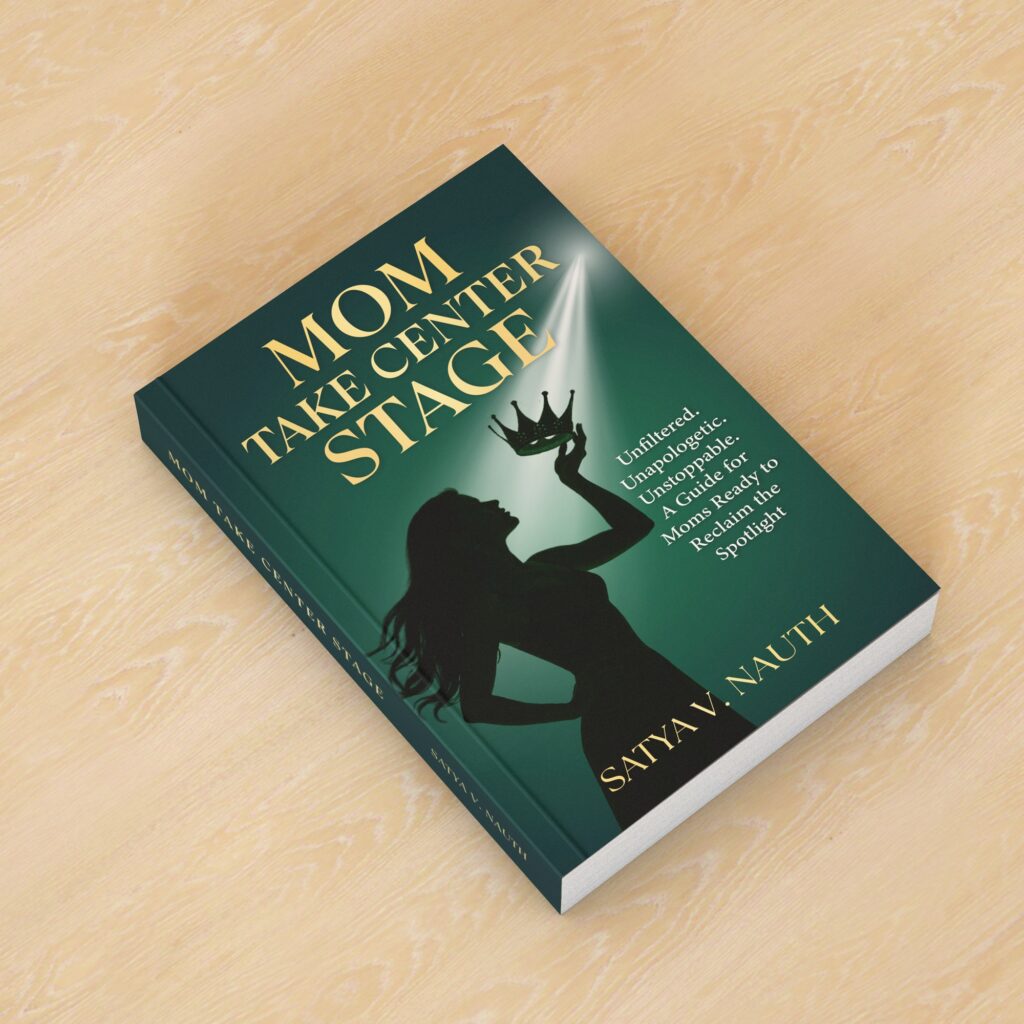
✨ Order your copy of Mom Take Center Stage today and learn how to step back into the spotlight of your own life.
In my book Mom Take Center Stage, I talk about what it means to finally stop living in survival mode and start trusting your body, your voice, and your worth again. Because when you understand what’s really going on inside you, you stop blaming yourself—and start leading your life with clarity and self-compassion.